In 2025, Lauren Gawne and I reached our 100th episode of Lingthusiasm, our podcast that’s enthusiastic about linguistics! It’s a special format featuring 100 fun things about linguistics, which makes it a great entry point to the show if you haven’t tried it yet or are looking for something to forward to people. We also celebrated our 100th bonus episode (does that make this year actually our 200th episode all told? shhh) by re-releasing our very first bonus episode (on swearing) with added sweary commentary for free to everyone who follows us on Patreon.
I kept studying ASL, including two more semesters of ASL 104 and 105 at the Lethbridge Layton Mackay Rehabilitation Centre in Montreal and a week at the ASL Adult Immersion Summer Camp at Bob Rumball Camp of the Deaf in Ontario. I really feel like I can actually just have a conversation now with someone who’s willing to accommodate me, especially after camp; I’m not constantly running into gaps in basic vocab like I was last year. Sadly, I’m not sure if I’m going to be able to take more classes in 2026, since classes at my level aren’t currently being offered, but hopefully I’ll at least make it out to social things since I know some people now!
Behind the scenes, 2025 was also a year of dealing with some medical stuff, and I’m looking forward to having more energy and hopefully also fewer appointments this coming year. Modern meds are so great.
Conferences and presentations
- The Linguistic Society of America’s annual January meeting, this year in Philadelphia, in what unfortunately looks like it will be my last visit to the US for a while.
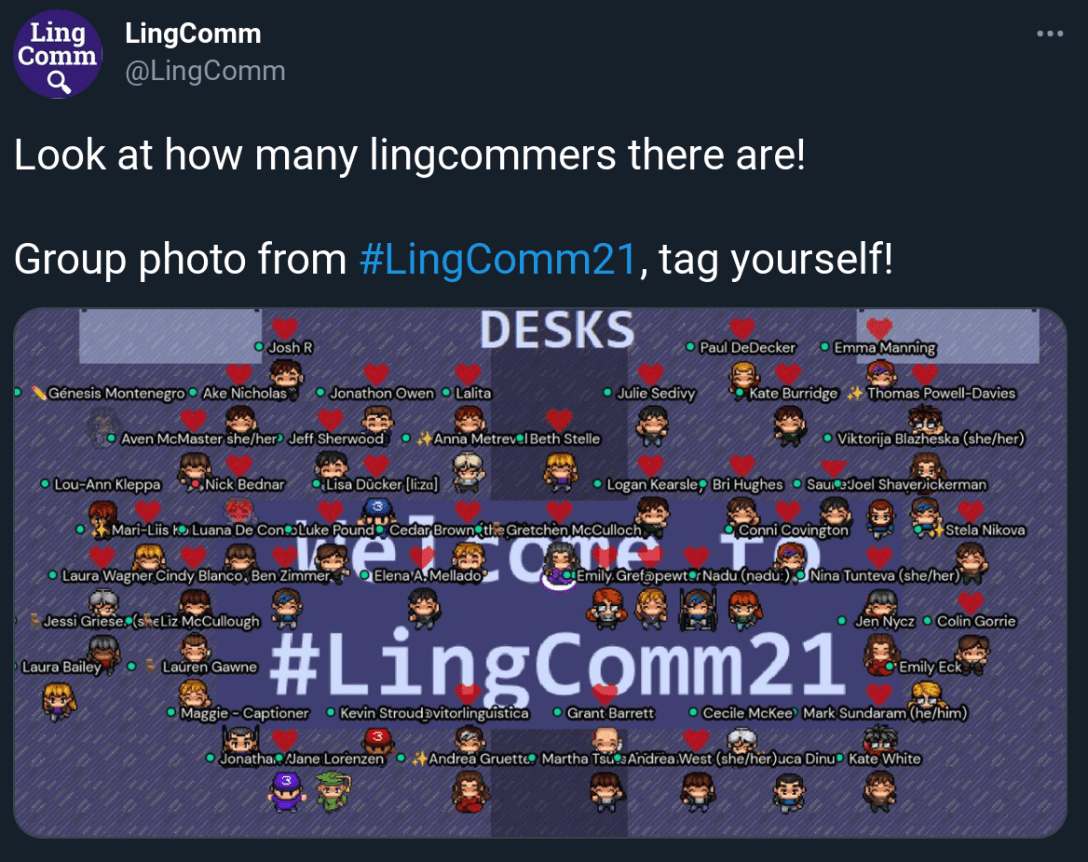
- The LingComm25 conference in April, where I presented a lightning talk on collaborations between academics and non-academics and learned that November 26th is celebrated as National Linguistics Day in the UK — inspiring a Lingthusiasm World Linguistics Day bonus episode later in the year!
- The Canadian Linguistic Association in June in Montreal, where I had nice chats with people! Not the same folks, but there was also a Canadian Word of the Year announced by the editors of the Canadian English Dictionary: maplewashing, the deceptive practice of making things look more Canadian than they actually are.
- Scintillation, a small literary science fiction con in June, where I participated in panels on worldbuilding and stakes in fantasy.
- Lingstitute 2025, the LSA summer institute, where I presented about 101 ways to communicate linguistics with a broader audience (slides) and did virtual office hours
- A conversation with Amal El-Mohtar — coauthor of This Is How You Lose the Time War, a book I greatly enjoyed — about her new book, The River Has Roots at the Argo Bookshop in Montreal, a great indie bookstore where I’ve done events before.
PS: if you know of upcoming linguistics conferences coming to Montreal, you should let me know! I try to keep an eye out but I’m not on every listserv, and it’s easier than travelling for me to drop by or even do a lingcomm workshop or lingcomm office hours when it’s local.
Collaborations
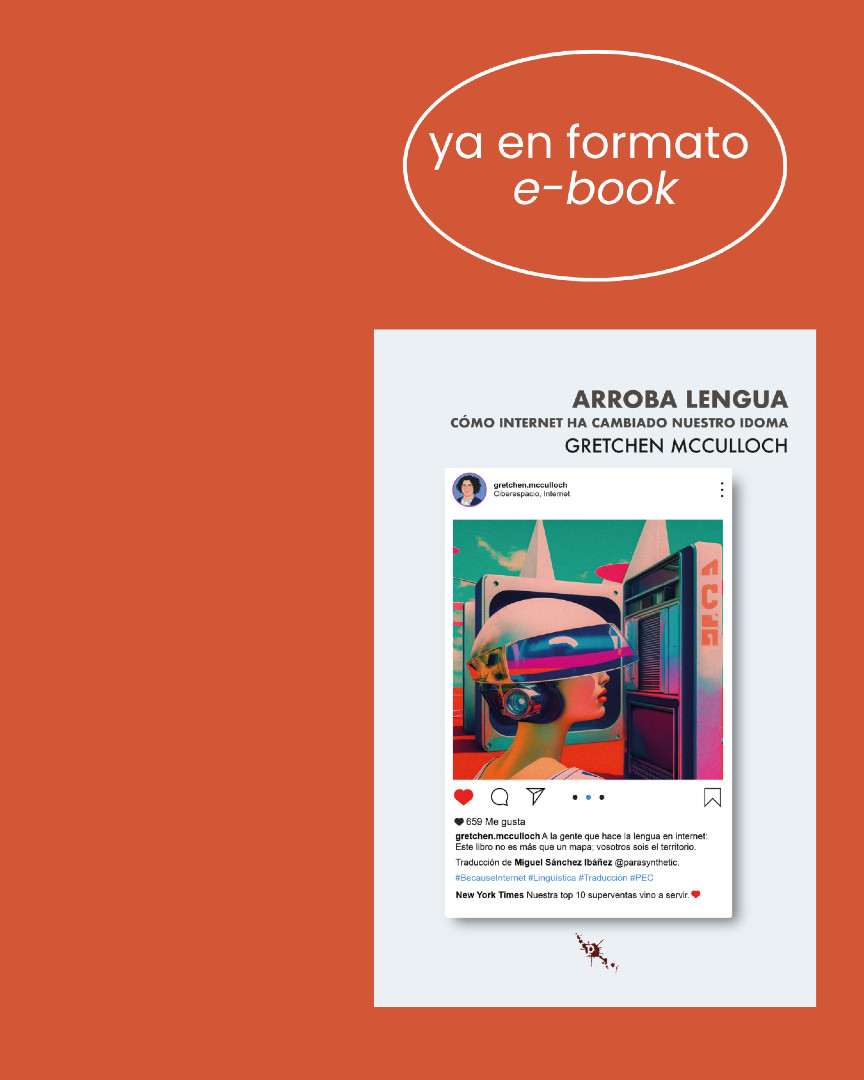
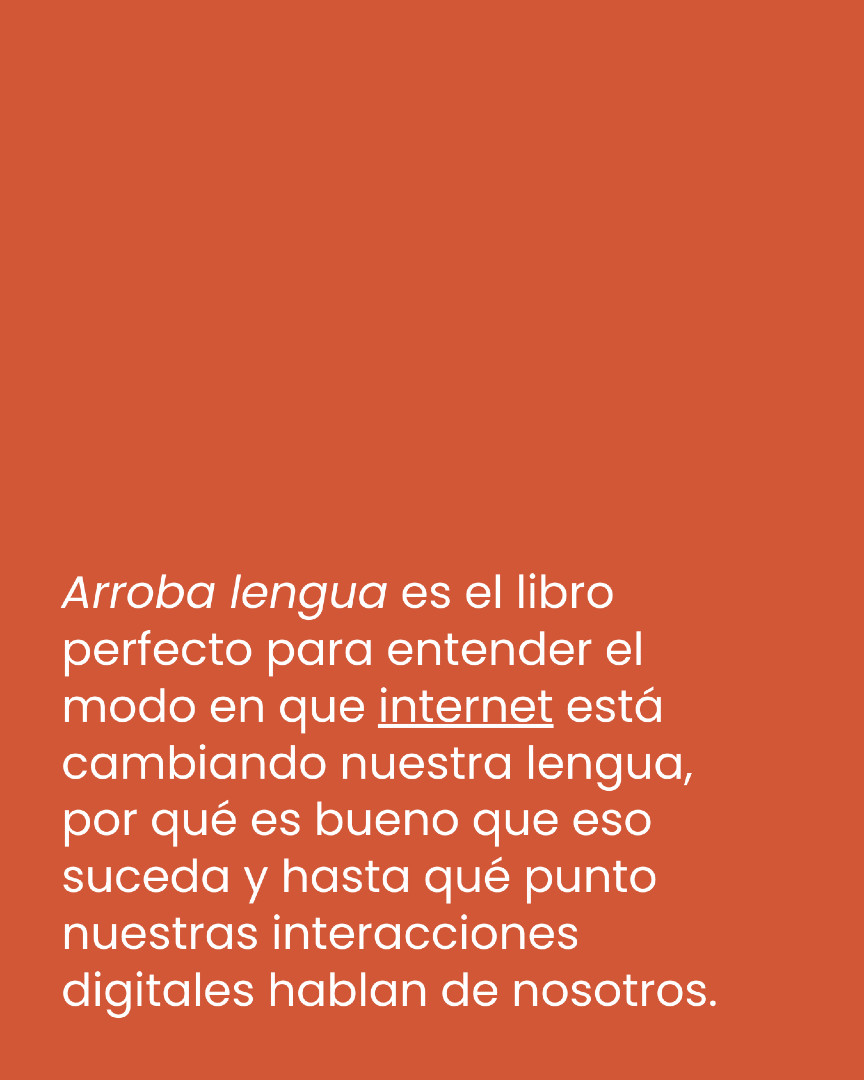
The Spanish-language translation of Because Internet was released internationally (available from Piodepagina or Casadellibro, or as an ebook). For lots of juicy details about the translation process, see our Lingthusiasm bonus episode where Lauren Gawne and I interview Miguel Sánchez Ibáñez, the translator. You can also get Because Internet in Chinese, Japanese, or Korean translations, and just for the record, if anyone wanted to bring me to those places to talk about translation or any other subject, I would not say no.
I appeared on a few podcasts:
- I appeared on BBC Science Focus Instant Genius Podcast: How the internet shaped how we speak
- I was interviewed on Language on the Move about Because Internet and how my own interest in internet language grew
- I appeared on the podcast A Language I Love Is, talking about Montreal French and bilingualism in Canada
- Because Internet made an appearance in an episode of Words Unraveled
I also started editing a new series of interviews on the lingcomm.org blog with Leah Velleman about community collaboration linguistics projects that don’t have much of a web presence. Here are our four episodes so far:
- Lingcomm IRL with Girl Scouts — Interview with Nikole Patson
- LingComm IRL with Young Linguists Language Club in Estonia — Interview with Mari-Liis Korkus
- LingComm IRL with Skeptics — Interview with Lee Murray
- LingComm IRL at a Summer STE(A)M Program — Interview with Marisa Brook and Daniel Currie Hall
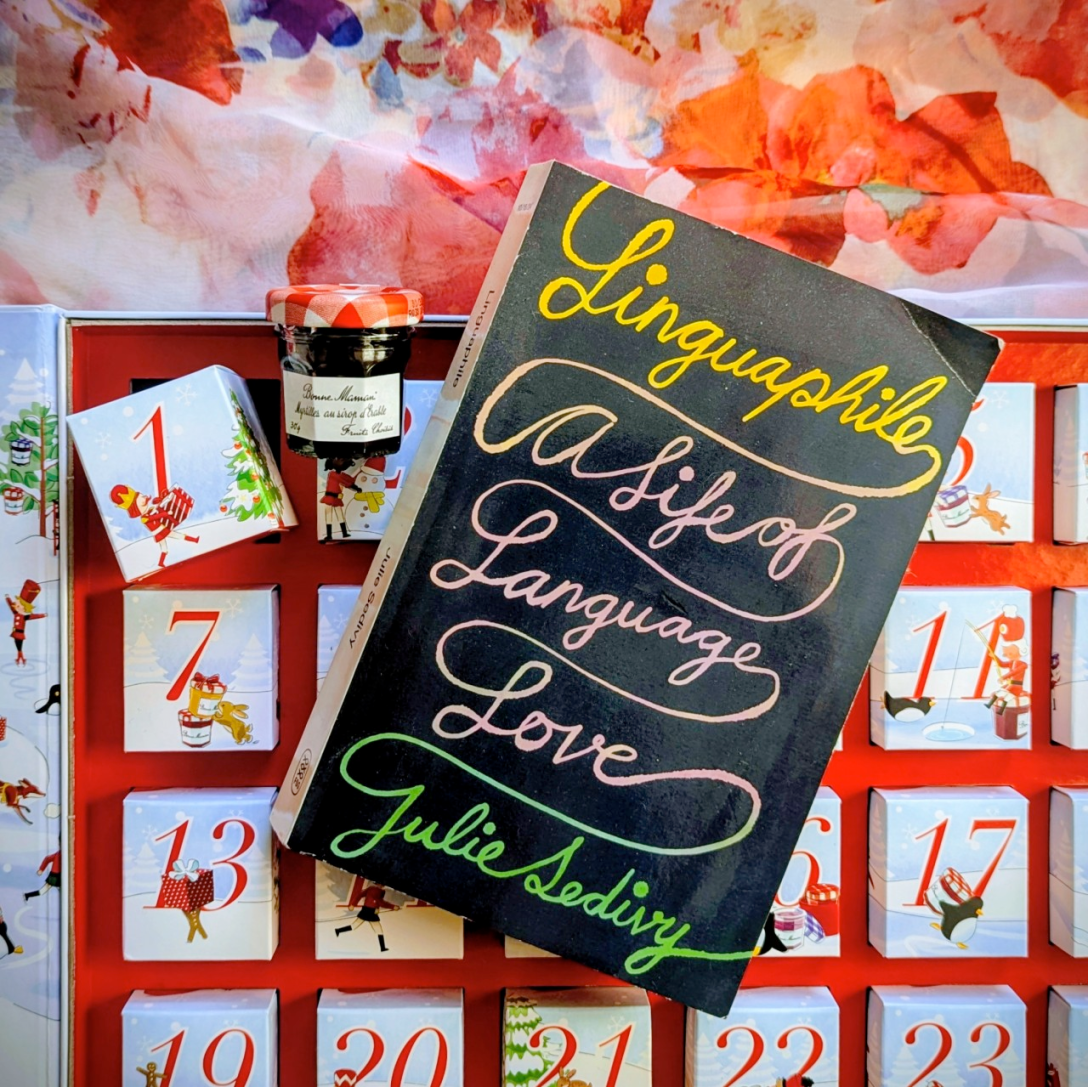
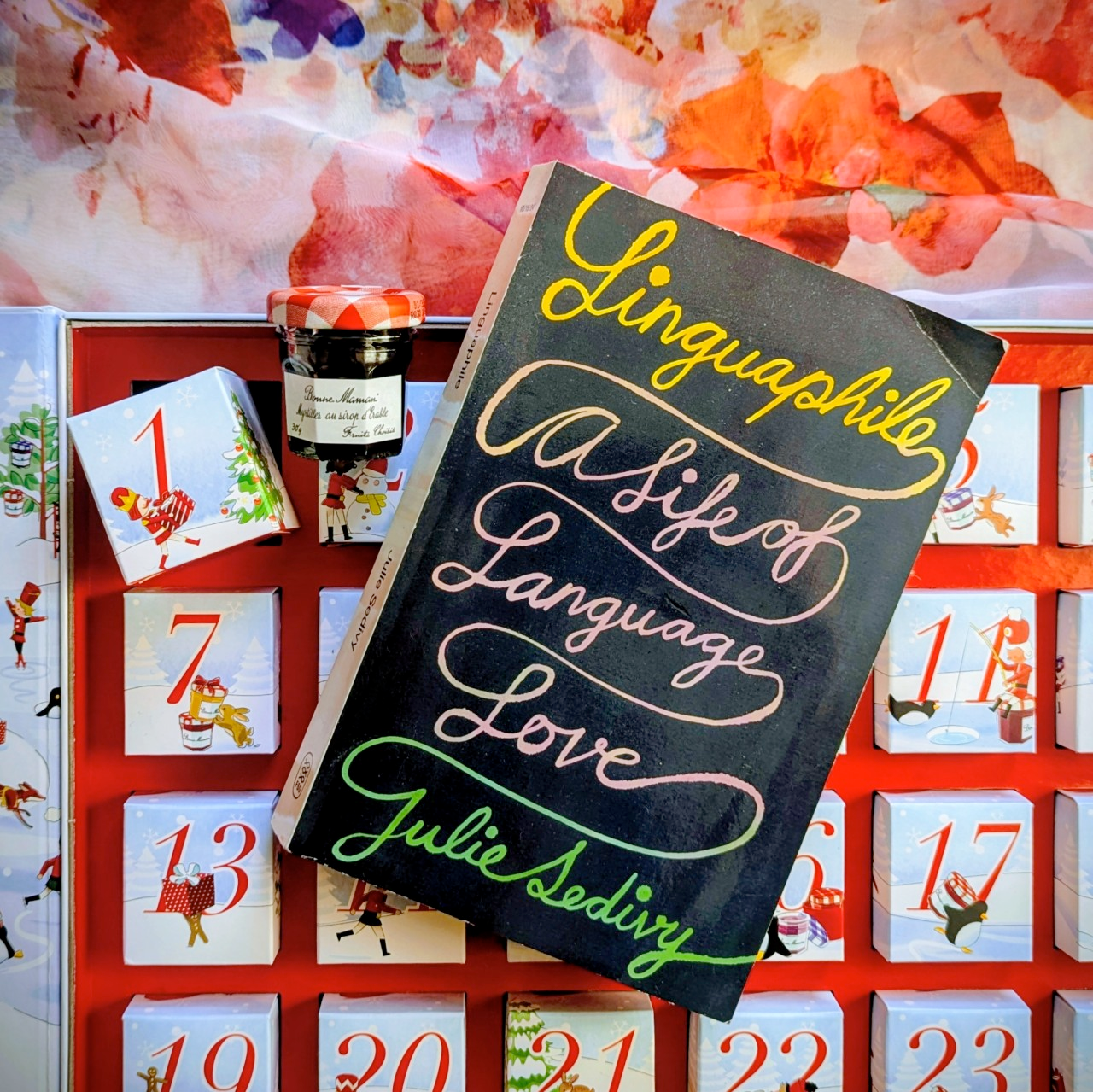
Bonne Maman puts out a yearly advent calendar of tiny specialty jams, and I liveblogged my way through it with favourite linguistically-relevant books from my shelves that made for thematically appropriate pairings. Apparently it was big news in the jam calendar chat.
Milestones
- I celebrated my 13th blogiversary! I started All Things Linguistic in the spring of 2012, and while it isn’t my most active lingcomm project at the moment, it’s still important to me as my very first public-facing one.
- It was the 10th anniversary of LingWiki, another lingcomm project which I started in 2015 and which many linguists have picked up since, where we host Wikipedia editathons to improve linguistics-related articles on Wikipedia. I didn’t feel like writing an anniversary post so Lauren did — and not just a quick celebration, but a whole informal history of LingWiki.
- The first Crash Course Linguistics video has hit a million views! If you want some fun 10 min linguistics videos to watch or to share, here’s a great place to start.
- The lingcomm mailing list now has over 100 members! If you’re someone who makes material or does events communicating linguistics with broader audiences and you want to hear about lingcomm conferences, events, grants, journal special issues, and so on, please feel free to subscribe!
- World Linguistics Day was celebrated in 70 cities, 34 countries, and 5 continents.
Lingthusiasm
My linguistics podcast with Lauren Gawne celebrated our 100th episode! To celebrate the nice round number, we made the 100th episode a special feature of 100 fun facts about linguistics, featuring some from earlier episodes and previous guests on the show, as well as some we haven’t mentioned yet (but which we might expand upon in the next 100 episodes).
For the 101th episode, looking forward to the future, we compiled a list of 101 places to get enthusiastic about linguistics, whittled down from hundreds of listener suggestions of podcasts, books, videos, blogs, and other places online and offline.
We also celebrated our 100th bonus episode a few months later! In celebration of this feat we re-released our very first bonus episode (about swearing), now with some bonus sweary facts that we’ve learned in the interim and unlocked for anyone who follows us at any level on Patreon, including free!
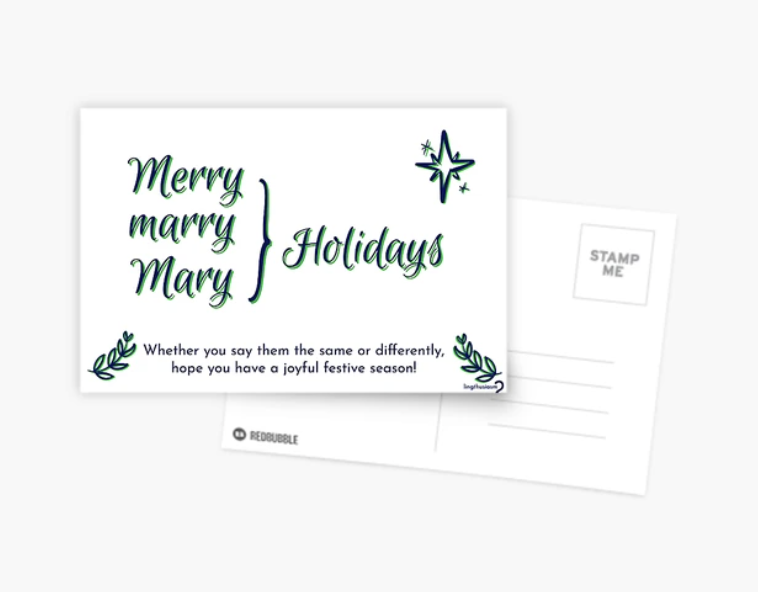
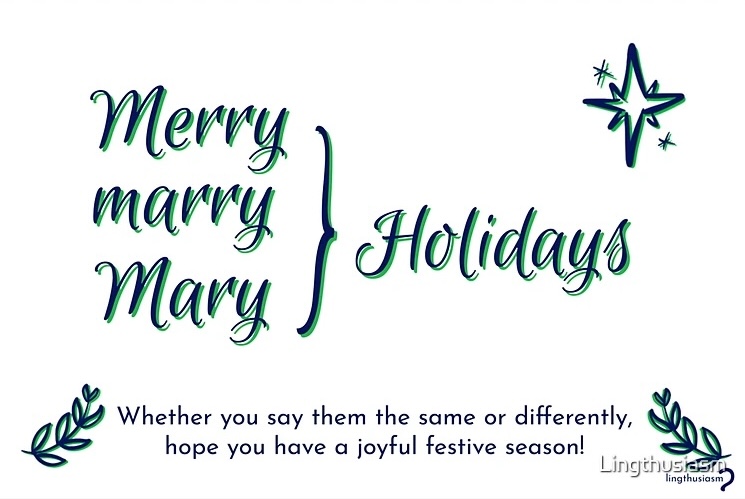
Plus, we made a special jazzed-up version of the Lingthusiasm logo to put on stickers, tshirts, and more, featuring fun little drawings from the past 9 years of enthusiasm about linguistics by our artist Lucy Maddox — originally sent out as a sticker to Ling-thusiast patrons and above and now also available on assorted merch — and some linguistics-themed holiday greeting cards, mostly because I personally wanted to send out cards that say {Merry, marry, Mary} Holidays: Whether you say them the same or differently, hope you have a joyful festive season!
Lingthusiasm episodes
- Episode 100: A hundred reasons to be enthusiastic about linguistics
- Micro to macro: The levels of language
- The science and fiction of Sapir-Whorf
- A hand-y guide to gesture
- Reading and language play in Sámi: Interview with Hanna-Máret Outakoski
- Linguistics of TikTok: Interview with Adam Aleksic aka EtymologyNerd
- Is a hotdog a sandwich? The problem with definitions
- Urban Multilingualism
- Highs and lows of tone in Babanki: Interview with Pius Akumbu
- On the nose: How the nose shapes language
- The history of the history of Indo-European: Interview with Danny Bate
- Whoa!! A surprise episode??? For me??!!
Bonus episodes
- Crochet vocal tract, grammar is a team sport, gifs, and soy sauce: Deleted scenes from Jacq Jones, Emily M. Bender, and Tom Scott team interviews
- What makes for beautiful writing, scientifically speaking
- Rock, paper, scissors, Gesture book, and a secret project: Survey results and general updates
- Linguist Celebrities
- The linguistics of kissing 😘
- Fun linguistic experiments, linguistic etiquette, and language learning scenarios
- Why sci-fi gestures live long and prosper: Crossover with Imaginary Worlds
- Reading linguistic landscapes on street signs
- ¡Pos ya está! Translating Because Internet into Spanish with Miguel Sánchez Ibáñez
- What’s in a nym? Synonyms, antonyms, and so many more
- World Linguistics Day
- The Mysterious Voynich Manuscript: Interview with Claire Bowern
We’ve also released some bonus episodes as collections if you’d like to check a few out without signing up for a monthly subscription. You can get updated and deleted scenes, interviews, word nerdery, linguistic advice, linguistic gossip, Lingthusiasm after dark, or Lingthusiasm book club.
Reading and other media
- Gesture, A Slim Guide by Lauren Gawne
- The River Has Roots by Amal El-Mohtar
- Hellspark by Janet Kagan
- Talking Hands by Margalit Fox
- The Sapling Cage by Margaret Killjoy
- What We Are Seeking by Cameron Reed (coming in 2026, but I already love it)
- True Color by Kory Stamper (likewise in the future, also very excited about it)
- And so far in the future that even I haven’t read it yet, keep an eye out for How to Nonbinary a Language by Kirby Conrod
- Goblins Oedipus, Dangerous Liaisons, and Sense and Sensibility, which I saw at the Stratford Festival in Stratford, Ontario
Selected posts from tumblr, instagram, and bluesky
New favorite linguistic examples
- “She put the card back into her small, for a handbag, handbag” (Center embedding)
- “unless☝️you eat a lemon” (Emoji are really gestures!)
- “Croissan ‘wich you a happy new year” (Double portmanteau with bonus pun)
- The key to creamy cream-free soup is hiding your pantry. (Structural ambiguity)
- “KPop demon hunters. KSoda demon hunters. KCoke demon hunters” (A famous case of regional variation)
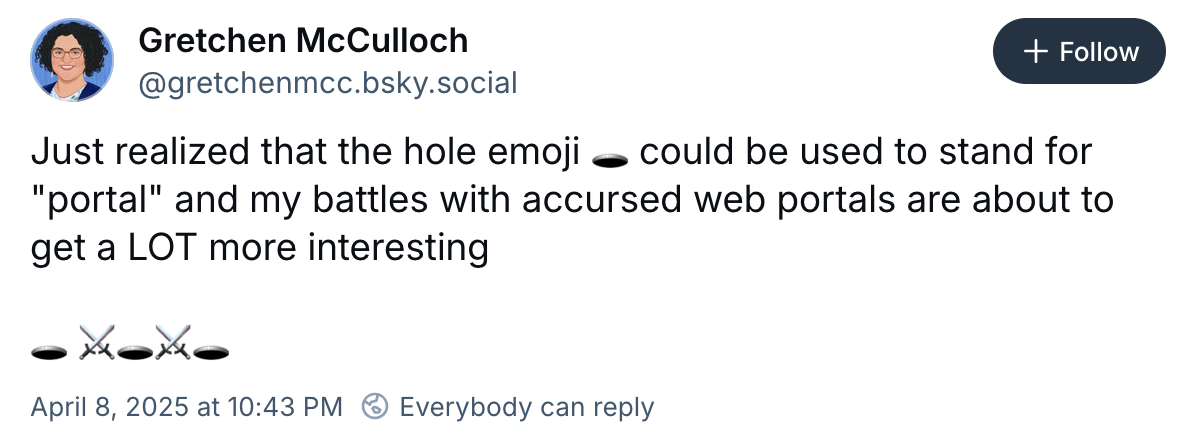
- “OPEN HOLE DO NOT REMOVE” (Zero anaphora)
Never-before-heard sentences
- An alligator stole my conservation instructor’s hat by jauntily walking into the water while wearing it 🐊
- This week’s news update includes a disastrous font Stroop task.
- Cook 5 hours at 300° or until popcorn blows the ass off the turkey.
- Jennifer L. Armentrout’s just-published THE PRIMAL OF BLOOD AND BONE is available in a special, limited-edition “garlic-scented copy, infused with Hellmann’s Garlic Aioli to create a one-of-a-kind Craven-proof book.”
Newly coined words
- Acoustic bike (rather than electric)
- The Strunk cost fallacy (treating the time wasted on learning silly rules as a sunk cost)
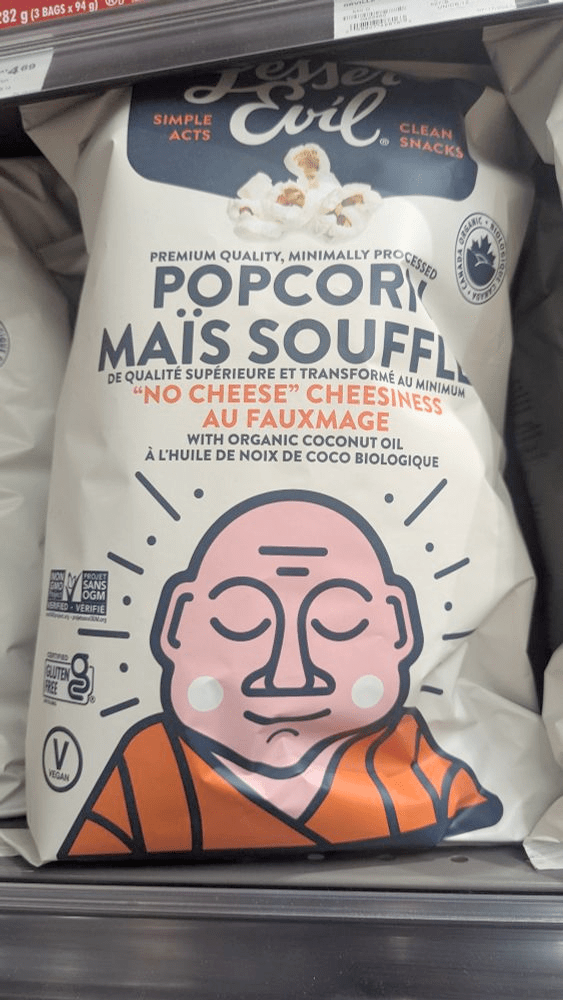
- Fauxmage (vegan cheese)
- Fort-yearly (every 14 years?)
- Woodsqueer (one who squees in the woods)
- Hich (where : here :: which : ?)
- Somewhen (where : somewhere :: when : ?)
- Yaybe (when you’re not sure if the yay is going to happen)
- Thembo (a third-person dual pronoun)
- Konbarning (a multilingual multicultural good morning and/or good night)
Words that have already caught on
- You might be surprised by where “podcast” comes from. Someday, someone is going to be surprised by where “tweet” comes from.
- “OK” is a silly language fad from the 1830s.
- “Rawdog” was the Linguistic Society of America’s word of the year.
- “Maplewashing” is the Canadian word of the year.
- “Square” in the dessert sense isn’t new this year, but it’s also extremely Canadian.
- First-world problem? Maybe your “lobster’s too buttery.”
- If a few of us really gave it a try maybe we could bring back “overmorrow.”
Multilingualism
- I am a creature of the night (or at least, that’s the best translation I can manage)
- Canada gets a fully bilingual TV show
- We had a great discussion thread on dreaming in a language you’re learning.
- This is a really interesting article about a horrifying distortion of sign language happening in the UK, and which its creators are now trying to export to other countries and their sign languages
Linguistics-themed everything
- Linguistics-themed Valentine’s day poetry
- Linguistics-themed Monopoly remake
- Linguistics-themed folk dance routine
- Linguistics-themed horror story
- Linguistics-themed Christmas carol
- Kiki (and Bouba?) focus timer apps
- Kiki and Bouba birdsong
- Kiki and Bouba snowballs
- Internet-linguist-themed poetry
- Retrocomputing-themed internet linguistics book?
Has anyone studied?
- Signed languages and synesthesia? Finally, a few years later, Yes!
- How our voices change when we talk to a robot? Yes!
- How people abuse the surname field in their phone contacts as metadata? I haven’t found anyone yet (please tell me if that’s you!), but it sure seems to be common.
- How to spell California’s new pronunciation of “pony”? Well, probably use lexical sets instead.
Inspiring life advice from linguists
- Don’t fear the repetition, embrace it!
- Acknowledge uncertainty.
- Playing with language and rhythm is fun, it’ll be fine!
- We do not all think alike, walk alike, dress alike, write alike, or dine alike; why should we not use our liberty in speech also?
- Get out for a walk or whatever during daylight hours especially in the dark half of the year.
- And share your work even if you’re scared it’s bad — in the words of the late great Bill Labov, “If you give me shit, at least I know you’re capable of shit.”
Missed out on previous years? Here are the summary posts from 2013, 2014, 2015, 2016, 2017, 2018, 2019, 2020, 2021, 2022, 2023, and 2024. If you’d like to get a much shorter quarterly highlights newsletter via email, with all sorts of interesting internet linguistics news, you can sign up for that at gretchenmcc.substack.com. If you’d like to get a monthly email when there’s a new Lingthusiasm episode out, plus bonus links for further reading, you can follow Lingthusiasm for free or paid on Patreon.








 Gretchen McCulloch
You must be logged in to post a comment.